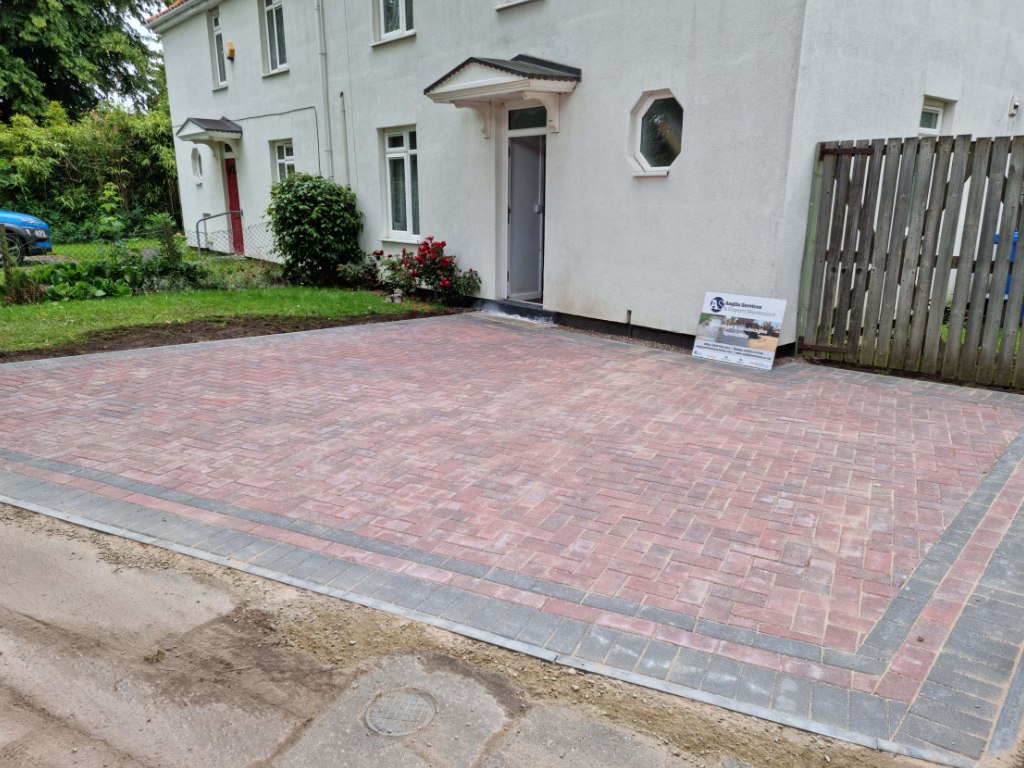
Resin Surfacing for Commercial Premises: Practical Benefits and Applications
The external areas of commercial premises need to be practical, accessible and presentable. Whether used by customers, employees, visitors or delivery vehicles, driveways, entrances and pedestrian routes should provide a reliable surface that can cope with regular use. Resin surfacing is an increasingly popular option because it combines a clean, attractive finish with useful performance characteristics.
For businesses in Aldershot, Hampshire, resin surfacing can be considered for a range of outdoor applications, from customer parking areas to pedestrian access routes. Understanding its benefits, suitable uses and installation requirements can help property owners decide whether it is the right solution for their premises.
What Is Resin Surfacing?
Resin surfacing generally refers to two different systems: resin-bound and resin-bonded surfacing. Although their appearance can be similar, the installation methods and finished characteristics differ.
Resin-bound surfacing is created by mixing aggregate with resin before spreading and smoothing the mixture across a prepared base. The finished surface is smooth and porous, allowing water to drain through when the system and underlying construction are designed appropriately.
Resin-bonded surfacing involves applying resin to the prepared base and scattering loose aggregate over it. This produces a textured finish, but it is not permeable in the same way as a resin-bound system.
Choosing between these options depends on the intended use, drainage requirements and desired appearance of the commercial premises.
Creating a Professional First Impression
The condition of a commercial property’s exterior can influence how customers and visitors perceive the business. Cracked, uneven or worn surfacing may make an entrance look neglected, while a well-finished driveway or forecourt creates a more welcoming appearance.
Resin surfacing is available in a variety of aggregate colours and textures, allowing businesses to select a finish that complements their building and surrounding landscape.
Its seamless appearance can also help create a consistent design across entrances, pathways and other external areas. For commercial premises in Aldershot, this can be a practical way to improve kerb appeal while maintaining a functional outdoor layout.
Suitable Applications for Commercial Properties
One advantage of resin surfacing is its versatility. Depending on the specification and supporting base, it can be used in several areas around commercial premises.
Customer Entrances and Forecourts
A well-maintained entrance helps provide a positive first impression. Resin surfacing can create a neat, clearly defined approach to shops, offices and other business premises.
Its smooth finish can also make entrances easier to navigate for pedestrians when correctly installed and maintained.
Pedestrian Walkways
Paths connecting entrances, parking areas and outdoor facilities need to be stable and easy to use. Resin-bound surfacing can provide a continuous finish without the individual joints associated with some paving materials.
The surface specification should be selected carefully to provide suitable texture and accessibility for the intended users.
Parking Areas and Access Routes
Resin surfacing may be suitable for certain parking areas and vehicle access routes, provided the base and surface system are designed for the expected traffic.
Commercial spaces used by heavier vehicles or frequent deliveries require particular attention to structural strength. A professional assessment can establish whether resin surfacing is appropriate or whether another construction method would be more suitable.
Courtyards and Outdoor Seating Areas
Businesses with outdoor seating or shared external spaces may benefit from a surface that looks tidy and is relatively straightforward to maintain. Resin surfacing can help create a defined area that complements surrounding landscaping and building features.
Practical Benefits of Resin-Bound Surfacing
When correctly specified and installed, resin-bound surfacing offers several useful characteristics for commercial environments.
- Permeability: A properly constructed resin-bound system allows water to pass through the surface, helping manage rainfall.
- Seamless appearance: The aggregate and resin form a continuous finish without conventional paving joints.
- Design flexibility: Different aggregate colours and blends allow the surface to complement the property’s exterior.
- Straightforward maintenance: Regular sweeping and suitable cleaning can help keep the surface looking presentable.
- Durability: A suitable resin-bound system installed over a stable base can withstand regular use appropriate to its specification.
These benefits depend on choosing the correct materials and ensuring the installation is suited to the property’s conditions.
Why Preparation and Drainage Matter
The performance of commercial resin surfacing depends heavily on the quality of the installation. Before work begins, the existing ground and base should be assessed for cracks, movement, drainage issues and signs of deterioration.
A weak or unstable foundation can lead to cracking, sinking or other surface defects. The base must therefore be capable of supporting the expected pedestrian and vehicle traffic.
Drainage also needs careful consideration. Although resin-bound surfacing is permeable, water must still be able to disperse through the underlying construction. If the ground beneath cannot accept water effectively, an appropriate drainage arrangement may be required.
Commercial premises should also consider access requirements during installation, including how pedestrians and vehicles will use the surrounding areas while the new surface cures.
Maintaining Resin Surfacing on Commercial Premises
Routine maintenance helps preserve both the appearance and performance of a resin surface. Regular sweeping removes leaves, dirt and debris before they build up, while occasional cleaning can address surface staining.
It is also sensible to inspect the surface for cracks, loose aggregate or areas of unusual wear. Any developing defects should be assessed rather than left unattended.
Following the installer’s maintenance guidance is particularly important for commercial premises where the surface may experience frequent use.
Conclusion
Resin surfacing can provide commercial premises with an attractive and practical finish for entrances, walkways, forecourts and suitable vehicle areas. Its design flexibility, clean appearance and, in the case of resin-bound systems, permeability make it a useful option for a variety of business environments.
For businesses in Aldershot, Hampshire, choosing the right system and ensuring proper ground preparation are essential for achieving lasting results. NS Driveways Aldershot can help assess your outdoor space and discuss suitable resin surfacing options. Get in touch to arrange an assessment and explore how your commercial premises could benefit from professionally installed driveway surfacing.
Call us on: 01252 979 997
Click here to find out more about NS Driveways Aldershot
Click here to complete our contact form and see how we can help with your driveway needs.