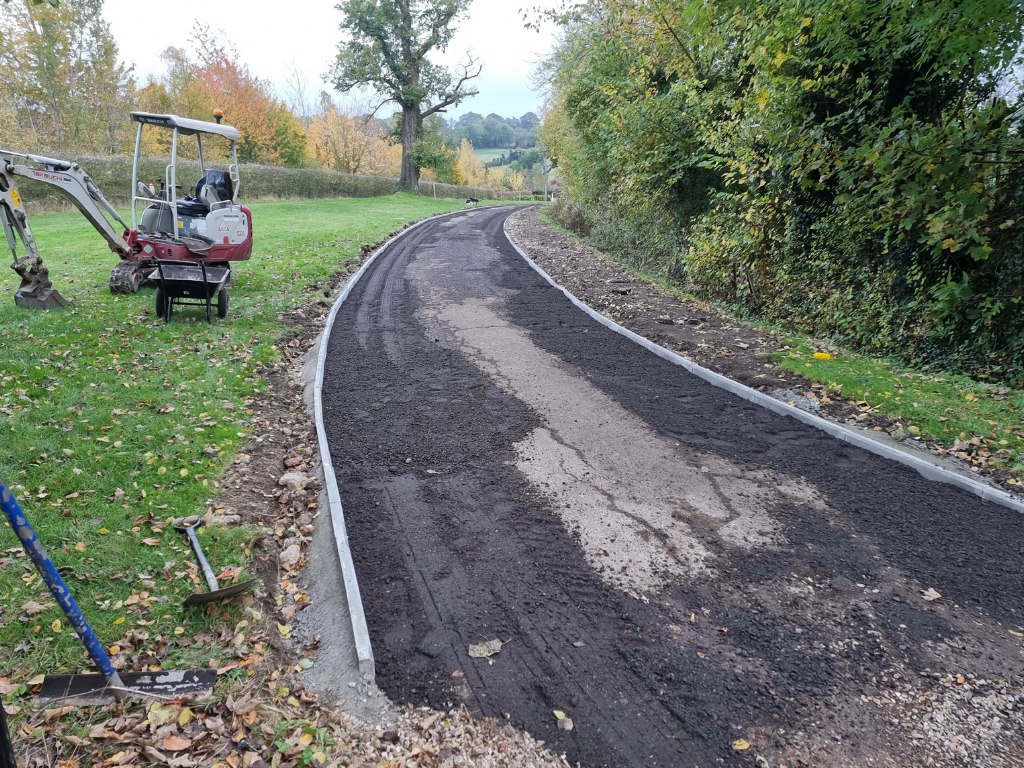
Tarmac Surfacing Projects: Key Factors That Affect Quality and Longevity
A well-installed tarmac surface can provide a practical and durable solution for driveways, paths and other areas that experience regular use. However, the quality and longevity of a tarmac surface depend on more than the material itself. Proper preparation, drainage, installation and ongoing care all have an important role to play.
For property owners in Aldershot, Hampshire, understanding these factors can help when planning a new tarmac driveway or considering improvements to an existing surface.
Ground Preparation and Stability
One of the most important factors in any tarmac surfacing project is the condition of the ground beneath it. A strong, stable foundation helps the finished surface cope with everyday vehicle and pedestrian use.
If the underlying ground is weak or poorly prepared, the tarmac may be more vulnerable to movement, cracking, rutting or uneven areas. Professional preparation may involve removing unsuitable material, establishing appropriate levels and creating a suitable sub-base.
The exact preparation required will depend on the existing ground conditions and intended use of the surface.
Choosing a Suitable Sub-Base
The sub-base provides support beneath the tarmac and helps distribute loads across the ground. It therefore plays an important role in the overall performance of the finished surface.
A properly constructed sub-base should be appropriate for the site and the level of use expected. Insufficient preparation can affect the stability of the surface, while appropriate groundwork provides a more reliable foundation for the tarmac layers above.
Effective Drainage
Water management is another key consideration in tarmac surfacing. Standing water can gradually affect the condition of a surface, particularly where drainage is inadequate.
During the planning stage, levels and falls should be considered so that rainwater can move away from the surfaced area effectively. Appropriate drainage can help reduce water accumulation and support the long-term condition of the driveway or other tarmac surface.
Correct Tarmac Installation
The installation process itself has a significant influence on the finished result. Tarmac needs to be applied and compacted correctly to create a consistent, stable surface.
Poor installation can result in uneven areas, weak points or premature deterioration. Professional workmanship helps ensure that the different stages of the surfacing process are completed carefully and in the correct order.
Selecting the Right Surface for Its Intended Use
Not every tarmac project has the same requirements. A residential driveway may experience different levels of traffic and loading compared with a larger access area or frequently used surface.
The intended use should therefore be considered when planning the construction. Understanding how the surface will be used helps determine appropriate preparation and construction methods.
Edging and Surface Boundaries
Well-defined edges can help maintain the structure and appearance of a tarmac driveway. Suitable edging can provide a clear boundary between the tarmac and surrounding areas while helping to contain the surface.
Careful consideration of edges is particularly useful where a driveway meets garden areas, paths or other landscaping features.
Weather and Installation Conditions
Weather conditions can influence the quality of a tarmac installation. The materials need to be handled, laid and compacted under suitable conditions to achieve the desired finish.
Professional contractors can assess the conditions before beginning work and plan the installation accordingly. This helps ensure that the surfacing process is carried out appropriately rather than rushing the work in unsuitable conditions.
Ongoing Maintenance
Although tarmac is designed to withstand regular use, sensible maintenance can help preserve its condition. Keeping the surface clean and ensuring drainage channels remain clear can help prevent avoidable problems.
It is also useful to monitor the driveway for cracks, potholes, loose edges or areas where water begins to collect. Addressing developing issues can help prevent them from becoming more extensive.
Why Professional Tarmac Surfacing Matters
A durable tarmac surface is the result of several stages working together. Good materials alone cannot compensate for inadequate groundwork, poor drainage or incorrect installation.
Professional assessment allows the existing site conditions, intended use and surface requirements to be considered before work begins. This helps create a tarmac surface that is practical, stable and suitable for the property.
Tarmac Surfacing in Aldershot, Hampshire
For homeowners and property owners in Aldershot, Hampshire, NS Driveways Aldershot can provide professional advice and tarmac surfacing services tailored to the requirements of the site.
From initial preparation through to the finished surface, careful planning and workmanship can help create a driveway or access area designed for reliable everyday use.
Conclusion
The quality and longevity of a tarmac surface depend on much more than the finished material. Proper ground preparation, a suitable sub-base, effective drainage, correct installation and ongoing maintenance all contribute to how well the surface performs over time.
If you are considering a tarmac surfacing project in Aldershot, Hampshire, contact NS Driveways Aldershot to discuss your requirements and arrange a professional assessment.
Call us on: 01252 979 997
Click here to find out more about NS Driveways Aldershot
Click here to complete our contact form and see how we can help with your driveway needs.